
Everything You Need to Know Before Installing a New System
Installing a new HVAC system is one of the most important investments you can make for your home or commercial property. A properly installed heating, ventilation, and air conditioning system not only improves indoor comfort but also helps reduce energy costs and extends equipment lifespan.
Why Proper HVAC Installation Matters
Many homeowners focus primarily on the HVAC unit itself, but installation quality plays an equally important role in overall system performance. Even the most advanced equipment can underperform if it is not installed correctly.
A professional installation ensures:
- Improved energy efficiency
- Consistent indoor temperatures
- Better indoor air quality
- Lower maintenance costs
- Longer equipment lifespan
Step 1: Choose the Right HVAC System
Selecting the correct system begins with understanding your property's unique requirements. Factors such as building size, insulation quality, climate conditions, and occupancy levels all influence the ideal HVAC solution.
Common options include:
Central Air Conditioning Systems
Ideal for larger homes and commercial buildings that require whole-property climate control.
Heat Pump Systems
An energy-efficient solution that provides both heating and cooling throughout the year.
Ductless Mini-Split Systems
Perfect for room additions, apartments, and properties without existing ductwork.
Commercial HVAC Systems
Designed to support larger spaces with advanced zoning and ventilation requirements.
Step 2: Schedule a Professional Assessment
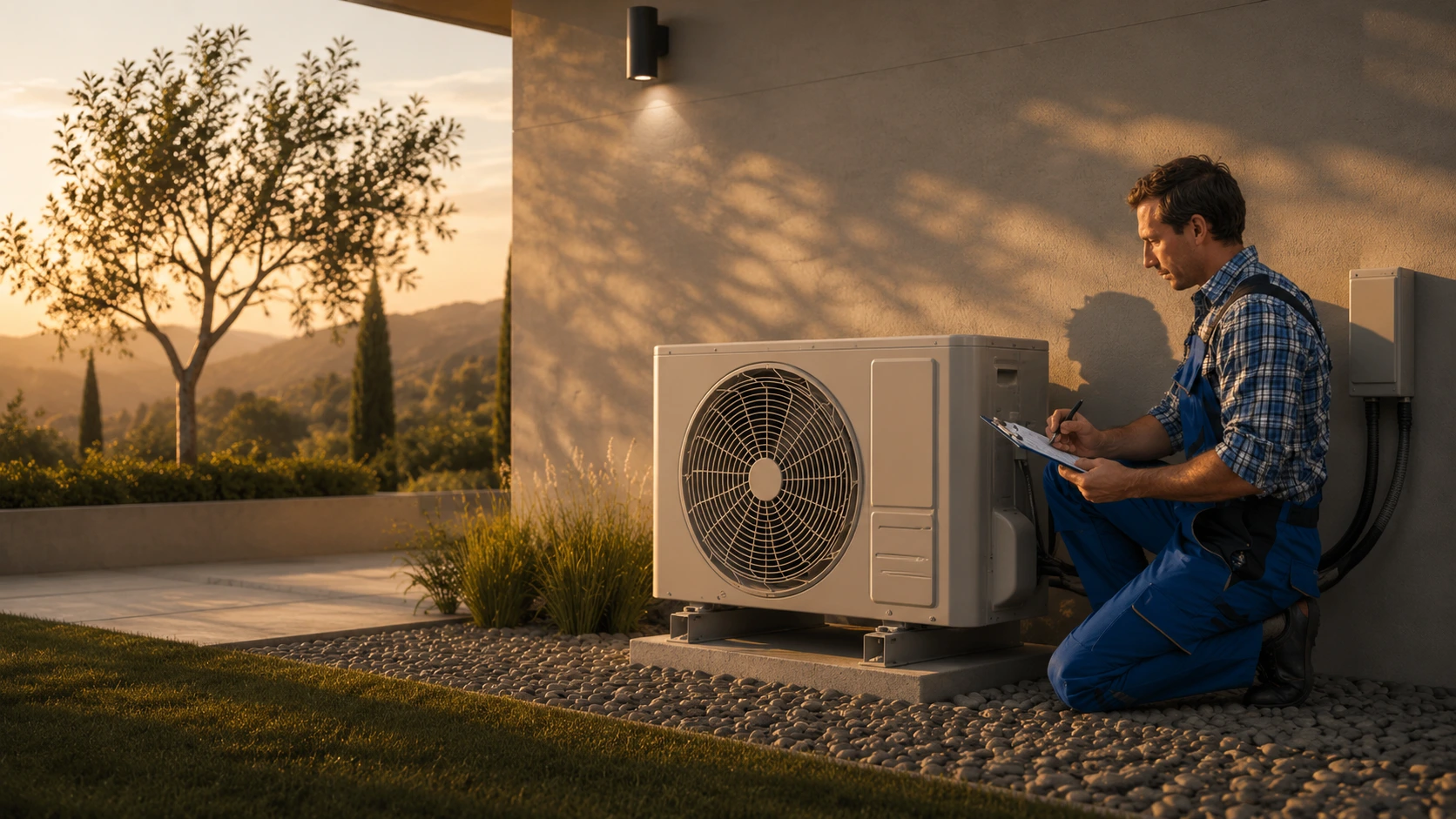
Before installation begins, a qualified HVAC technician should perform a detailed site evaluation. This assessment typically includes:
- Property measurements
- Load calculations
- Existing ductwork inspection
- Ventilation requirements
- Electrical system review
A professional assessment helps ensure the system is properly sized and configured for optimal performance.
Step 3: Professional Installation
During installation, technicians will carefully position equipment, connect electrical components, install ductwork if necessary, and verify airflow throughout the building.
The installation process typically involves:
- Removing old equipment
- Preparing the installation area
- Installing indoor and outdoor units
- Connecting refrigerant lines
- Configuring thermostats and controls
- Testing system performance
Proper installation helps prevent common issues such as airflow restrictions, excessive energy consumption, and premature equipment failure.
Step 4: System Testing and Optimization
Once installation is complete, technicians should conduct a comprehensive performance check to verify that every component is operating correctly.
This process includes:
- Airflow testing
- Temperature verification
- Refrigerant level inspection
- Thermostat calibration
- Safety checks
These final adjustments help maximize system efficiency and ensure long-term reliability.
Step 5: Ongoing Maintenance
Regular maintenance is essential to keep your HVAC system operating at peak performance. Homeowners should replace air filters regularly and schedule professional inspections at least once per year.
Recommended maintenance tasks include:
- Cleaning filters
- Inspecting ductwork
- Checking refrigerant levels
- Testing electrical connections
- Cleaning condenser coils
Preventive maintenance can significantly reduce repair costs and extend the life of your HVAC equipment.
Conclusion
A successful HVAC installation requires careful planning, proper system selection, and professional workmanship. By partnering with experienced technicians and following a regular maintenance schedule, property owners can enjoy reliable comfort, improved energy efficiency, and long-term savings for years to come.